



Modern Agriculture Equipment
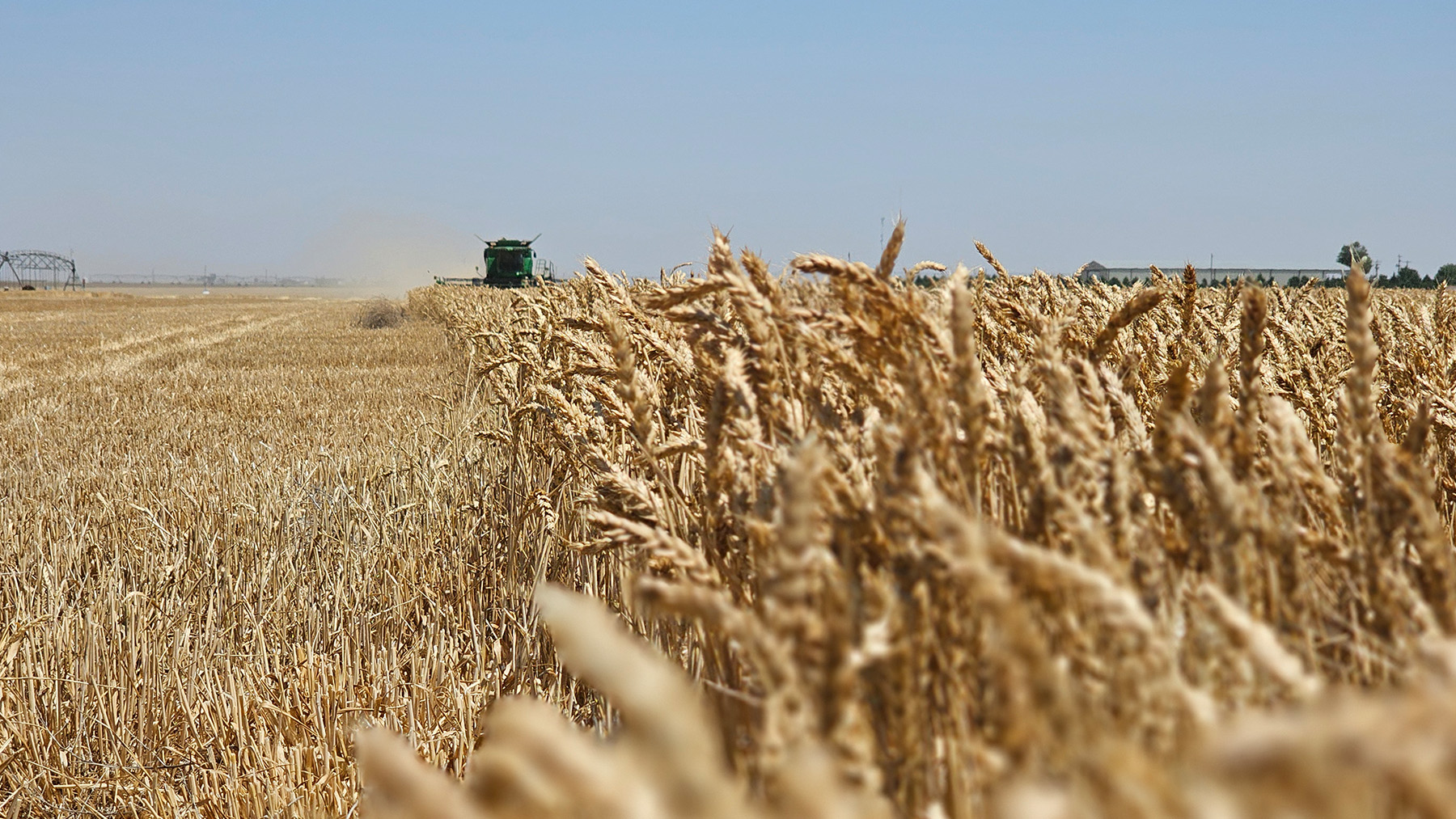
Modern agricultural equipment plays a critical role in enhancing efficiency and productivity across the agricultural sector. These advanced tools, ranging from GPS-guided precision planters and automated harvesting machinery to sophisticated drone technology and sensor-based irrigation systems, enable unparalleled accuracy and resource optimization. By minimizing waste, reducing manual labor requirements, and providing real-time data for informed decision-making, such equipment directly contributes to higher yields and improved operational profitability. Consequently, investing in and leveraging modern agriculture equipment is fundamental for addressing global food demands and ensuring the long-term sustainability of agricultural operations.
Advanced Food Processing Equipment
Investing in advanced food processing equipment offers significant operational advantages for modern food manufacturers. These sophisticated technologies, encompassing high-pressure processing, pulsed electric field systems, and integrated automation, are crucial for enhancing efficiency, ensuring superior food safety, and significantly extending product shelf life. By enabling precise control over processing parameters and reducing manual intervention, advanced equipment minimizes waste, improves product consistency, and ensures compliance with stringent regulatory standards. Therefore, strategic adoption of these innovative technologies is paramount for achieving operational excellence and maintaining a competitive edge in the evolving global food market.
Lot’s of Experts in Agriculture & Food Processing
The agriculture and food processing industries are distinguished by an exceptional concentration of highly specialized experts across numerous disciplines. From agronomists optimizing crop yields and soil scientists ensuring ecological sustainability, to food technologists developing innovative products and supply chain professionals streamlining global distribution, the breadth of knowledge required is vast. The continuous advancements in biotechnology, precision agriculture, food safety regulations, and consumer preferences necessitate a constant influx of specialized skills and interdisciplinary collaboration.